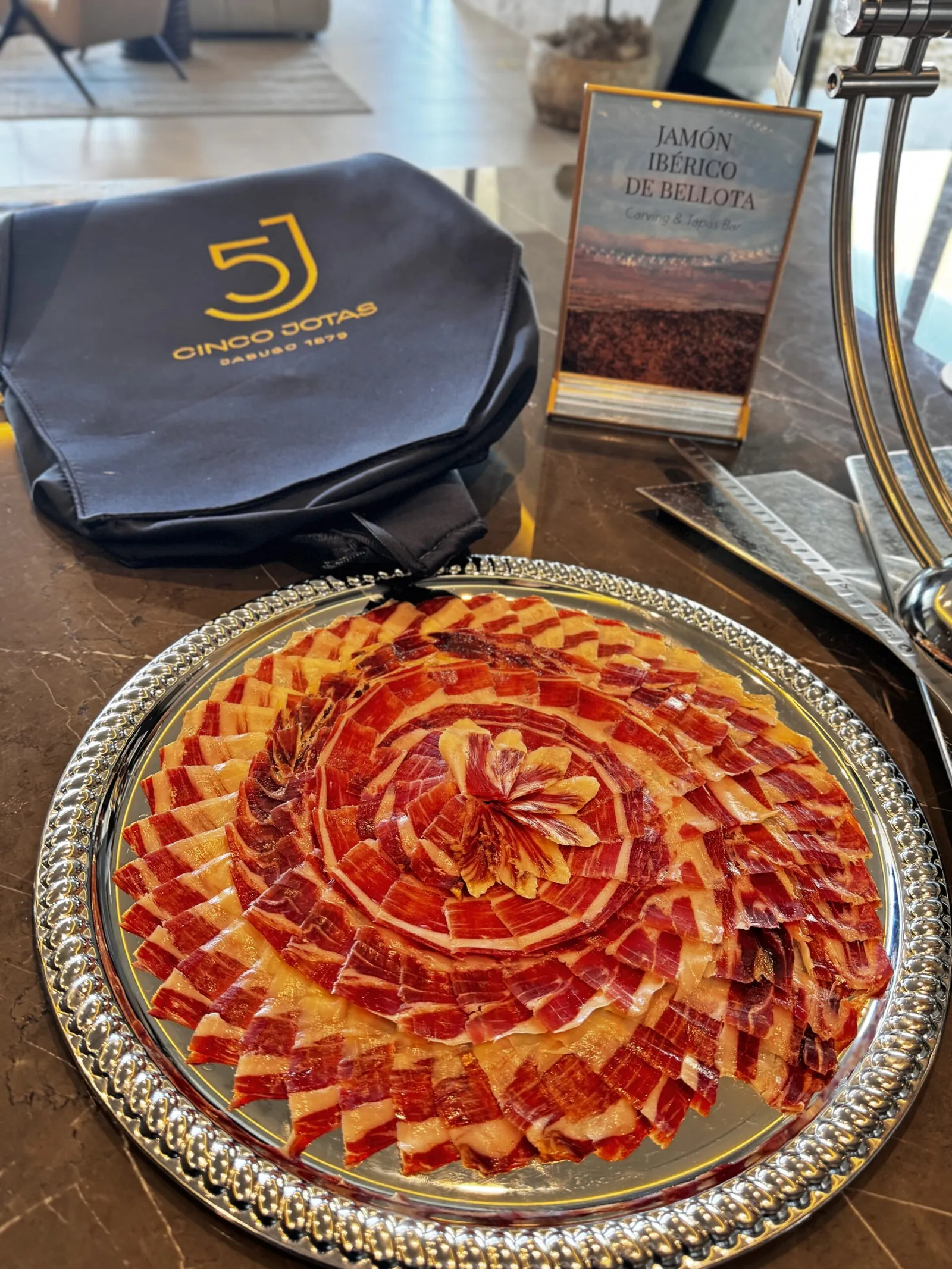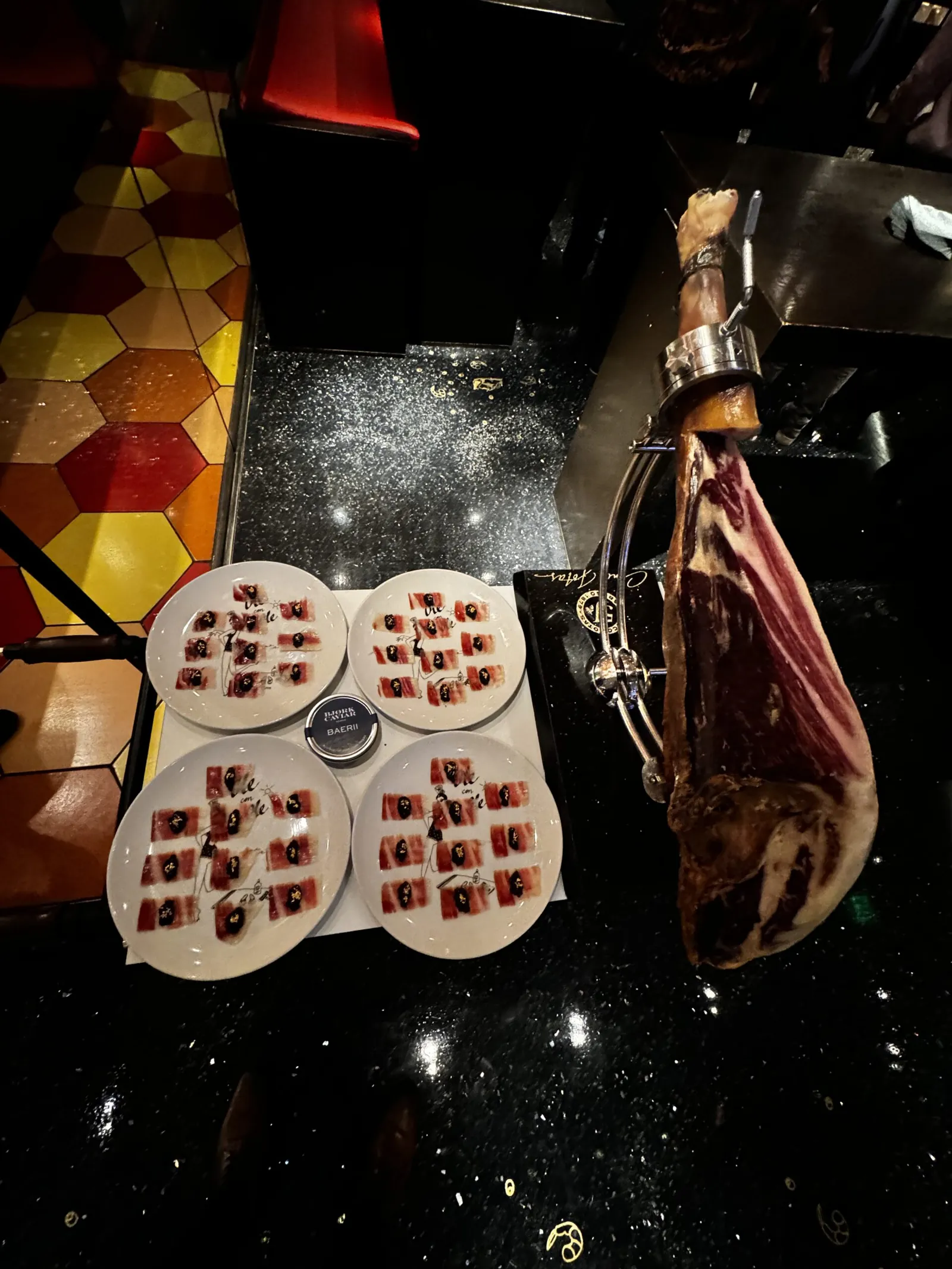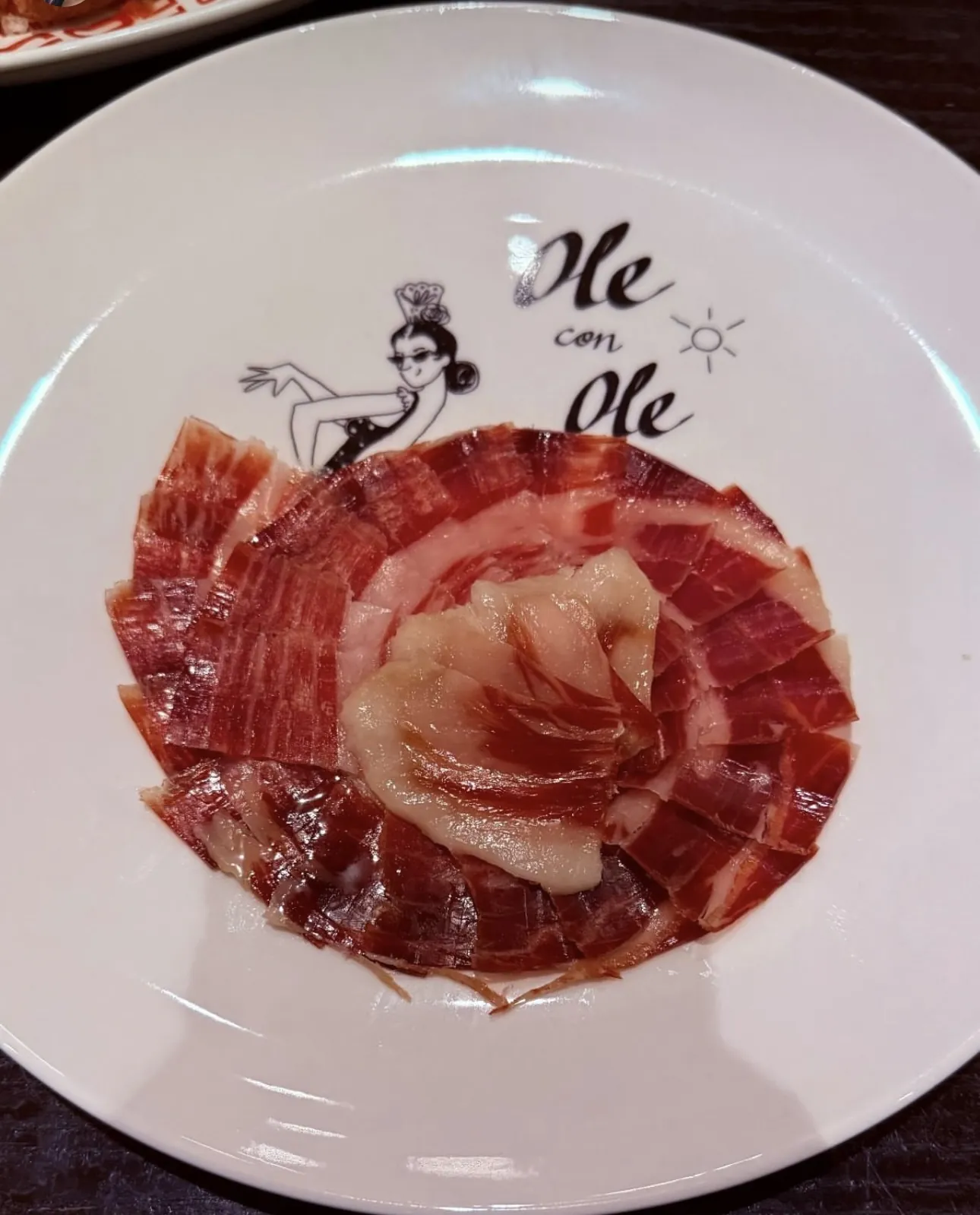
An unopened whole leg, a ham you have started carving and a pack of slices need different handling. The label and the supplier's advice should be your main reference. Curing, packaging and conditions in your home make a single storage time unsuitable for every ham.
Read the instructions before opening
Check whether the product requires refrigeration, the stated date and the instructions after opening. Vacuum or protective-atmosphere packaging does not mean slices can be stored under any conditions. If your purchase arrived chilled, maintain the specified conditions until serving.
Whole legs and opened hams
Choose a place that meets the supplier's recommendations, away from direct sunlight, heat sources and strong odours. Trim only the section you will work on. Afterwards, protect the cut face with the food-contact material recommended to you; keep dirty cloths and rancid outer fat away from the meat.
Surface appearance does not settle every storage question. If you notice unusual smells, unexpected changes or do not know how the ham has been kept, ask the supplier before eating it. Adding oil or removing a layer is not a reliable answer to a possible problem.
Packed slices and opened packs
Follow the temperature and time instructions on the packaging, particularly after opening. Small packs make it easier to bring out only what you need. Close or protect the reserve as directed and avoid mixing it with slices that have already been on the guest table.
| Format | What to check |
|---|---|
| Unopened whole leg | The producer's recommended conditions |
| Opened whole leg | Protection of the cut face and consumption pace |
| Packed slices | Temperature, date and packaging instructions |
| Opened pack | Time and storage instructions after opening |
| Trimmings and bones | Condition, intended use and supplier's advice |
Bring out the aroma without direct heat
Ham served very cold has a firmer texture. Allowing a small quantity to come towards serving temperature can help its aroma, while respecting storage guidance. There is no fixed number of minutes that works equally well in winter and on a summer terrace. Avoid microwaves, radiators and very hot plates as shortcuts.
A simple plan for hosting
Prepare plates and utensils in advance. Arrange the first platter close to serving time, watch how quickly it is eaten and replenish gradually. Keep the reserve correctly stored. For a larger gathering, explore private ham carving or read how to present a Spanish ham platter.
Explore ham carving for weddings, corporate events and private celebrations.
Check availability ↗